Overview
What is a USG Breast (Single)?
A USG Breast (Single) is an ultrasound scan of one breast that uses high-frequency sound waves to create detailed images of the breast tissue. It is a safe, painless, and radiation-free imaging test that helps doctors examine any lumps, pain, or changes in one breast.
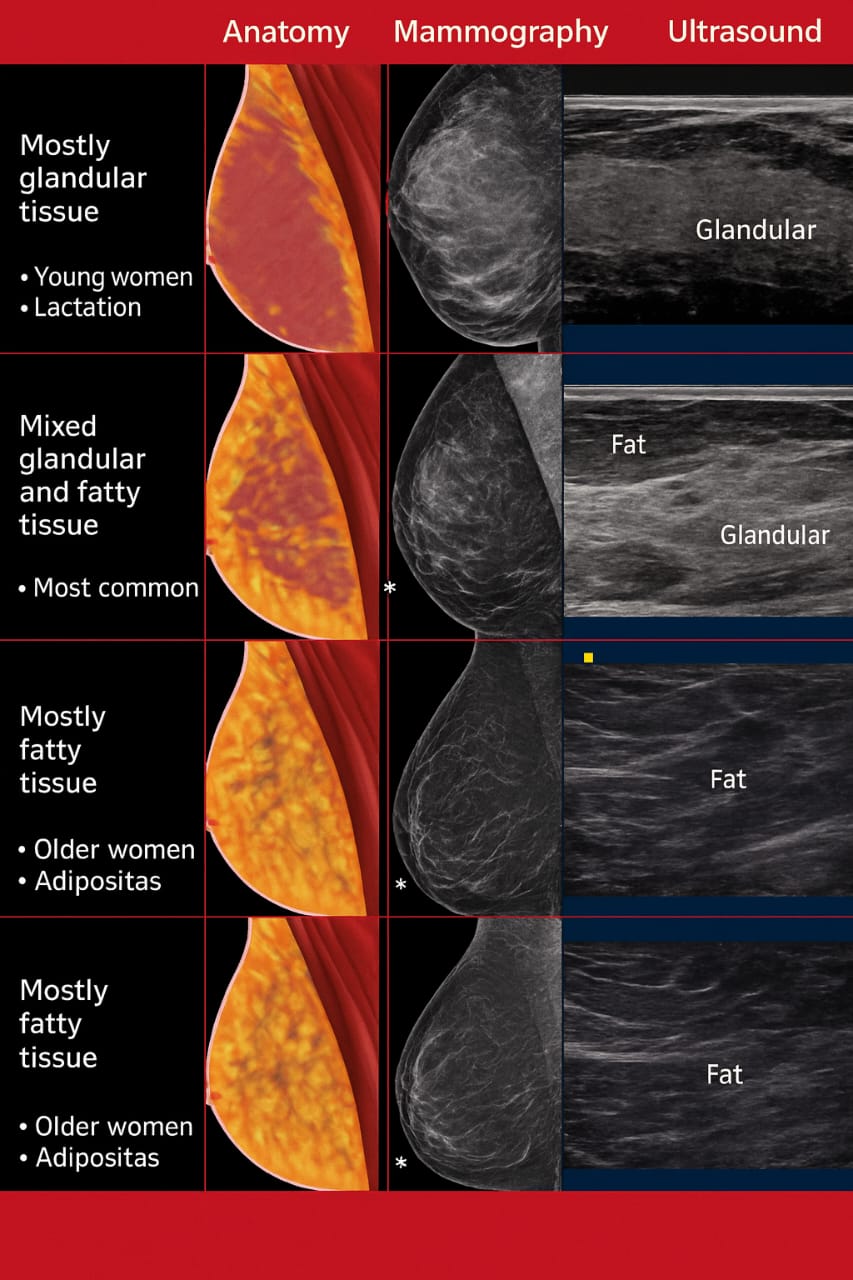
This test allows the radiologist to see inside the breast and determine whether a lump is solid (like a fibroadenoma or tumor) or fluid-filled (like a cyst). It’s especially useful for women with dense breast tissue or for further evaluation after a mammogram or clinical examination.
What does a USG Breast (Single) diagnose?
A USG Breast (Single) helps doctors find out the cause of any lump, pain, or change in one breast. It can show whether a lump is solid (like a fibroadenoma or tumor) or filled with fluid (like a cyst).
This scan can help detect:
- Breast cysts (fluid-filled sacs)
- Fibroadenomas (non-cancerous growths)
- Breast infections or abscesses
- Inflammation in the breast tissue
- Suspicious lumps or changes that may need further tests
- Post-surgical or post-traumatic changes
In simple terms, a USG Breast (Single) helps your doctor understand what’s causing your breast symptoms and whether it’s something harmless or needs more attention.
Indications for USG Breast (Single)
A USG Breast (Single) is recommended when there are signs or symptoms involving one breast. Common indications include:
- Palpable lump or swelling in one breast
- Breast pain or tenderness
- Nipple discharge (especially if bloody or unusual)
- Change in breast shape, size, or skin texture
- Redness, warmth, or signs of infection
- Follow-up of a known lump or cyst
- Abnormal findings on a mammogram or clinical exam (in one breast)
- Guidance for needle biopsy or cyst aspiration
- Evaluation after breast surgery or trauma
Test Details
Who performs a USG Breast (Single) ?
USG Breast (Single) is performed by a radiologist or a sonologist — a doctor who is specially trained to use ultrasound machines and interpret the images.
During the test, the radiologist gently moves the ultrasound probe over the breast to capture detailed images of the tissue. After the scan, they carefully study these images to identify any lumps, cysts, or abnormalities and prepare a detailed report for your referring doctor.
What types of scanners are used for USG Breast (Single )
- High-Frequency Ultrasound Scanner
- Looks like a small wand that a doctor moves over your breast.
- Uses sound waves to make clear pictures of lumps, cysts, or other changes in your breast tissue.
- Works best for seeing small lumps close to the surface of the breast.
- Handheld Portable Ultrasound
- A smaller, mobile version of the machine.
- The doctor can focus on specific areas if something unusual is felt or seen.
- Automated Breast Ultrasound (ABUS)
- A special machine that scans the whole breast automatically.
- Good for women with dense breasts to make sure no small lumps are missed.
- Produces 3D pictures for more detailed checking.
- Doppler Ultrasound
- Measures blood flow in any lump.
- Helps the doctor understand whether a lump is likely harmless or needs more tests.
- Elastography Scanner (Optional)
- Measures how soft or firm the breast tissue is.
- Can help tell the difference between harmless lumps and ones that might need more attention.
What happens before a USG Breast (Single )?
Getting ready for a single breast ultrasound is easy and doesn’t require much preparation.
On the day of your appointment
Wear comfortable clothing.
A two-piece outfit (a top and pants or a skirt) is best, as you will need to undress from the waist up. You will be given a gown to wear during the exam.
Don’t apply products to your skin .
For the most accurate images, please avoid putting any deodorant, powder, lotion, or cream on your breasts or underarm area on the day of the exam.
Eat and drink as usual.
There are no dietary restrictions, so you don’t need to fast or change your diet.
Leave jewelry at home.
It’s a good idea to leave jewelry at home or plan to remove it before the exam begins.
Before you go
Bring your medical history.
It’s important to have a referral or prescription from your doctor. If you have had any previous breast imaging, such as mammograms or other ultrasounds, be sure to bring those results with you for comparison.
Talk to your doctor.
If you have any recent breast symptoms—such as a lump, pain, or nipple discharge—mention them to the technologist before the scan. This helps them know exactly where to focus.
Time it right.
If your breasts tend to be more sensitive or swollen around your menstrual cycle, you may want to schedule your appointment for a different time if possible.
You’ll check in and be shown to a private room where you can change into a gown.
- The technologist will review your details and answer any last-minute questions you may have.
What happens during a USG Breast (Single )?
The Procedure
Preparation:
You will be asked to undress from the waist up and put on a gown. A technologist will then guide you to the exam room and have you lie comfortably on an exam table.
Positioning: You will be asked to lie on your back or slightly on your side, with the arm on the side being examined raised above your head. This positioning helps to spread out the breast tissue for better imaging.
Gel application: The technologist will apply a clear, warm, water-based gel to your breast. This gel helps the sound waves travel cleanly from the transducer into your body.
Scanning: The technologist will press a small, handheld probe called a transducer against your skin and move it gently over the area of concern. The transducer sends sound waves into your breast, and a computer instantly uses the echoes to create a real-time image on a monitor.
Capturing images: During the scan, the technologist will capture several still images or short video clips of the area being examined. They may also use a Doppler technique to check for blood flow within the tissue.
Mild pressure: You may feel a bit of gentle pressure as the technologist moves the transducer, but the procedure is not painful. If the area is already tender, you might feel a little extra sensitivity.
Consultation (optional): Sometimes, the technologist may step out to review the images with a radiologist. In some cases, a radiologist might even come into the room to take a closer look themselves. This is a routine part of the process and doesn’t necessarily mean there is a problem.
Completion: Once the scan is finished, the technologist will wipe the gel off your skin. It doesn’t stain clothing, but you may want to wear older clothes just in case any gel remains.
How long does a USG Breast (Single) take?
A USG Breast (Single) usually takes about 15 to 30 minutes.
Simple scans with no complications: ~15 minutes.
Detailed scans or if the doctor needs to examine multiple areas carefully: up to 30 minutes.
What happens after a USG Breast (Single) ?
After a Breast Ultrasound
- Gel is wiped off
- The technician will clean the gel from your breast.
- You can then get dressed.
- No recovery time needed
- The procedure is painless and safe, so you can go about your normal activities immediately.
- Results
- The radiologist will analyze the images.
- Results may be available same day or within a few days, depending on the clinic.
- Your doctor will discuss the findings and any next steps with you.
What are the benefits of a USG Breast (Single) ?
Investigates specific concerns: Quickly determines if a lump is a harmless, fluid-filled cyst or a solid mass. No radiation: Uses sound waves, making it safe for pregnant or breastfeeding women.
Works well with dense tissue: Can provide a clearer image than a mammogram in dense breasts. Guides biopsies: Helps a doctor accurately take a tissue sample if one is needed.
Provides peace of mind: Offers a quick and clear look at a specific area, often avoiding the need for more invasive procedures.
What are the risks of a USG Breast (Single) ?
An ultrasound of a single breast is very safe with no known risks or side effects from the sound waves used. It is painless and does not use any radiation. The main risks are not from the procedure itself, but from the possibility of unclear results that may cause worry or require more tests.
Potential issues with results
False positive: Sometimes the ultrasound may find something that looks concerning but is actually not cancer. This can cause anxiety and lead to extra tests, like a biopsy, that turn out to be unnecessary.
False negative: A breast ultrasound can sometimes miss very small lumps or certain types of early cancers that a mammogram might catch. That’s why it is often used together with a mammogram for a complete picture of your breast health.
Operator-dependent: The quality of the ultrasound can depend on the skill and experience of the person performing the exam. This highlights the importance of choosing an experienced facility.
A Note from North City Diagnostic
Not knowing what’s happening with your breasts can make you anxious. A USG Breast (Single) can provide clarity. This safe, painless, and non-invasive ultrasound helps your healthcare provider check for lumps, cysts, or other changes in your breast tissue. Different types of ultrasound scanners are available depending on your needs. Your provider will discuss the results and any next steps based on your scan findings.
Care at North City Diagnostic
If you have concerns about your breast health, you need a team of experts you can trust. Our Radiologists and Breast Care Specialists at North City Diagnostic are here to guide you and provide the care you need.